MR or MRL? What the machine-room choice really costs you
Machine-room and machine-room-less lifts each earn their place. Here is how the choice shapes your shaft, your budget and your building for decades.
Read more →Custom-built elevators that fit your building, your people, and your weird uncle who insists on taking the stairs.
We source and deliver carefully vetted, globally manufactured passenger and freight elevator systems. Every system is selected on real-world performance, traffic-flow demand, and long-term serviceability.
We don't just supply hardware; we protect your interests through execution. We coordinate logistics, perform shaft surveys, and verify installation readiness for a smooth, risk-free delivery.
Elevators account for up to 5–10% of total building cost. We optimize this capital expenditure, helping developers save through direct manufacturer channels without compromising safety.
We guide critical decisions before procurement. Through meticulous traffic-flow analysis, product specification, and design-layout advisory, your building's mobility is efficient and correct from day one.
Many developers face critical risks at the procurement stage, ranging from incorrect system specification to long-term cost inefficiencies and proprietary lock-in. Dabujii exists to eliminate these bottlenecks. We operate as a strategic technical shield between global manufacturing networks and local contractors, protecting the client's interest to ensure your vertical transportation systems perform reliably for the life of the building.
Dabujii Elevators was established to solve a critical gap in the African construction market: access to reliable, cost-efficient elevator systems without compromising long-term performance or maintainability. We operate as a strategic technical shield between global manufacturing networks and local contractors, protecting the client's interest to ensure your vertical transportation systems perform reliably for the life of the building.
Dabujii is led by a founder with hands-on experience in the elevator industry since 2019, with involvement in the successful delivery of 300+ elevator units across Kenya. Their expertise spans the full lifecycle of elevator delivery — from specification and sourcing to coordination and commissioning.
We are built for developers who value clarity, cost control, and long-term reliability. We don't just supply elevators; we protect your interests to ensure your entire vertical transit system works seamlessly from procurement to daily operation.
Get the right system and the correct technical configuration from the start. We guide early-stage planning, traffic-flow analysis, and shaft readiness to prevent costly design changes later.
01The most expensive elevator is the one you can't maintain. We prioritise robust systems selected for real-world local performance, high parts availability, and long-term serviceability.
02Every procurement decision is financially optimized. We leverage direct international manufacturer relationships to secure premium, globally vetted systems that cut upfront costs by up to 30%.
03Zero proprietary lock-in. We source open-system equipment with full technical compatibility for local maintenance providers, giving you freedom to work with multiple contractors.
04A sample of vertical transportation systems sourced and coordinated by Dabujii across Kenya.
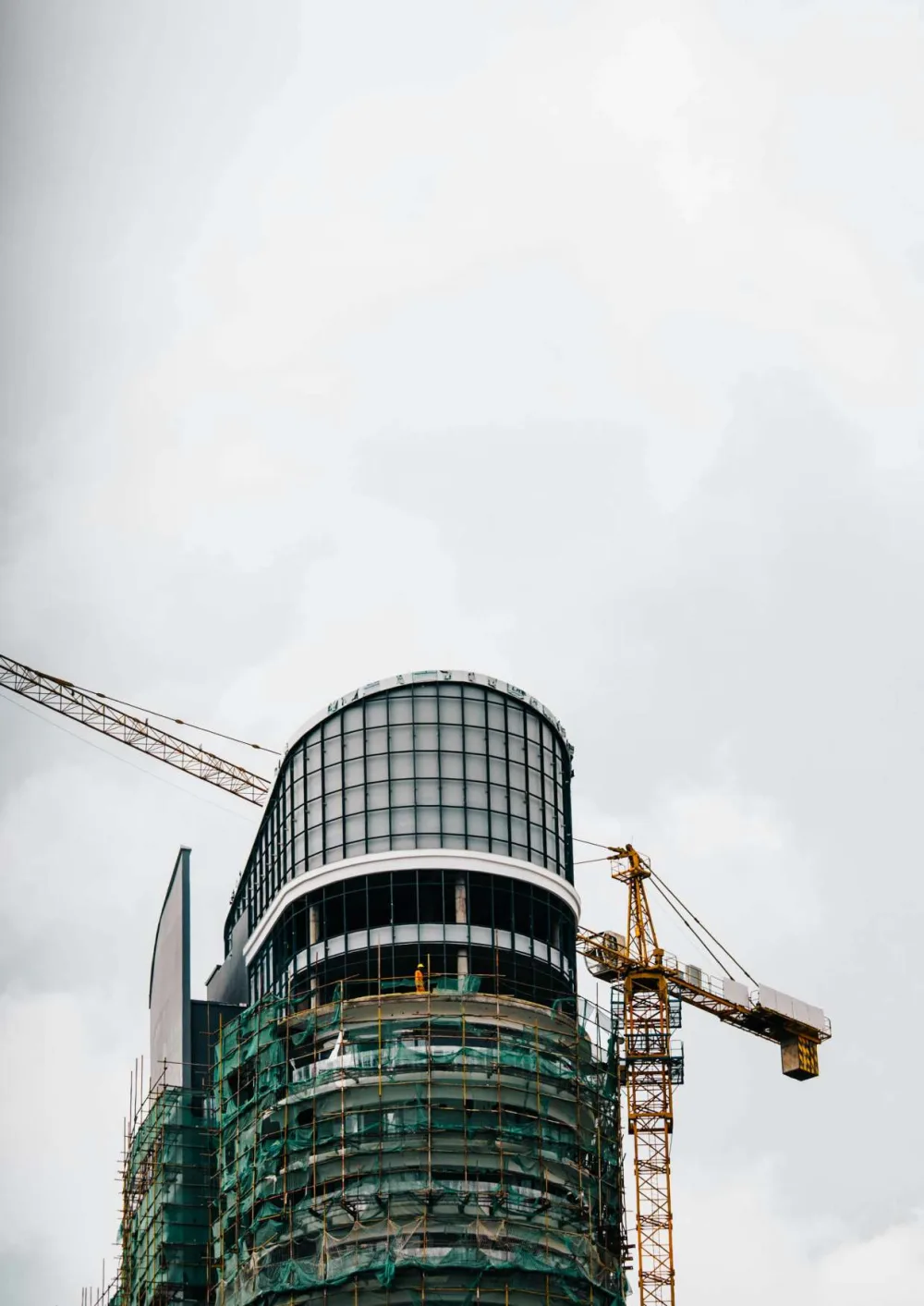 Featured
Panoramic (MR) passenger lift rated at 1000KG, running at 1.6 m/s across 12 stops — a scenic ride sourced and delivered for a premium residential tower.
Read case study →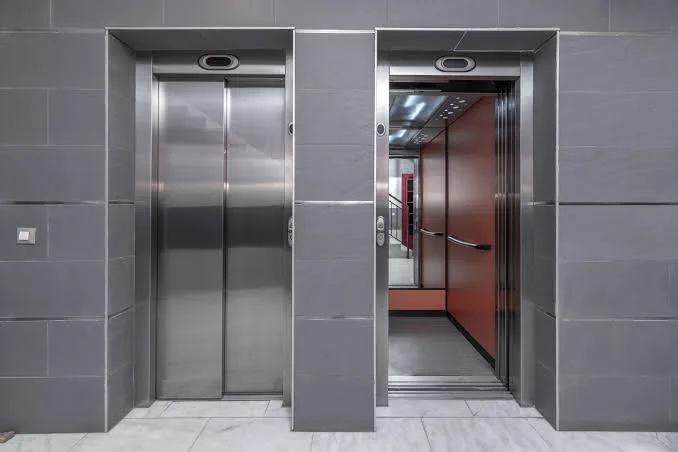 Featured
Two passenger (MRL) lifts at 1000KG, 1.6 m/s over 14 stops, specified for smooth guest traffic flow in a hospitality setting.
Read case study →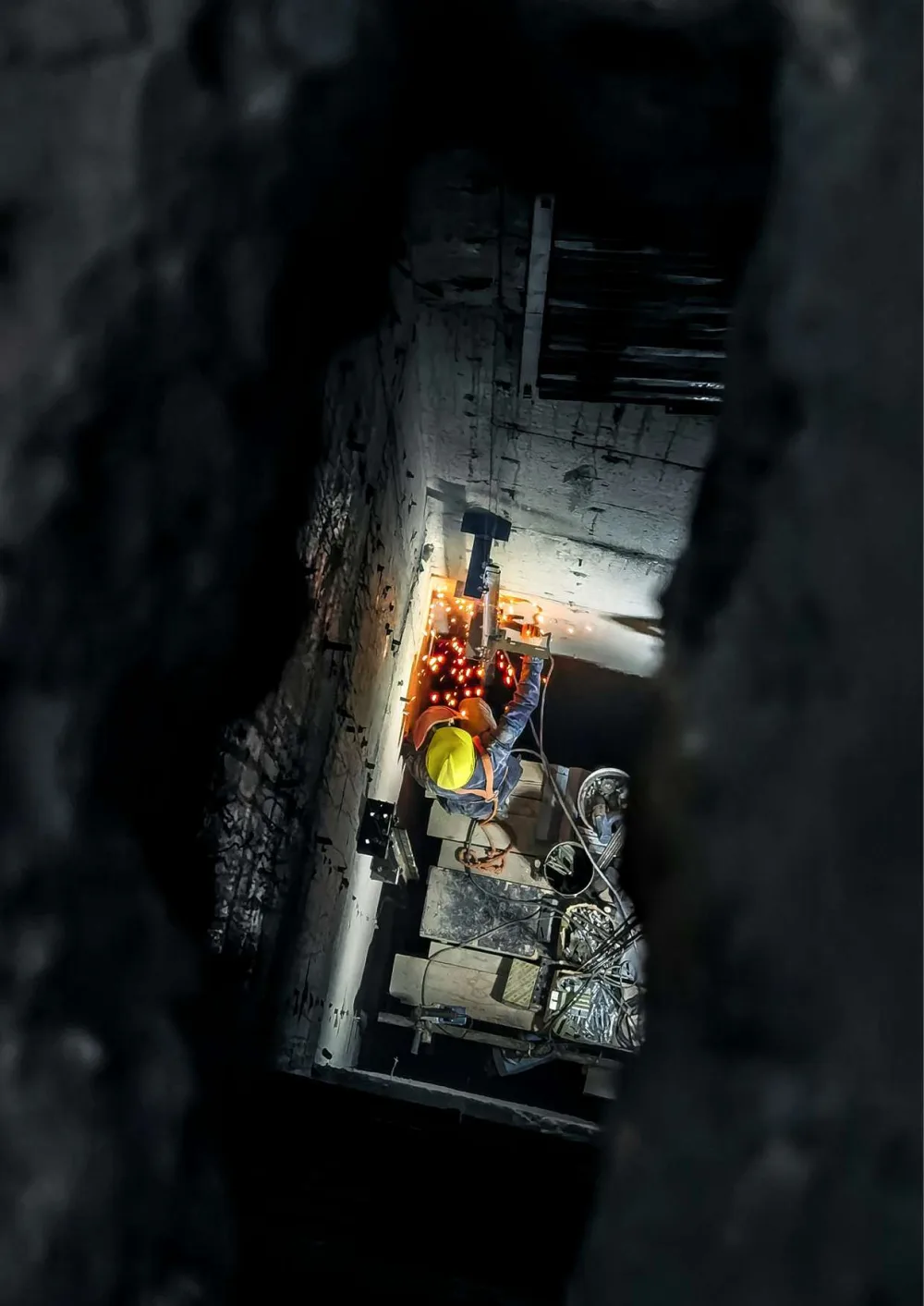 Featured
Two passenger (MRL) lifts at 800KG, 1.6 m/s serving 15 stops — coordinated for a tall residential development.
Read case study →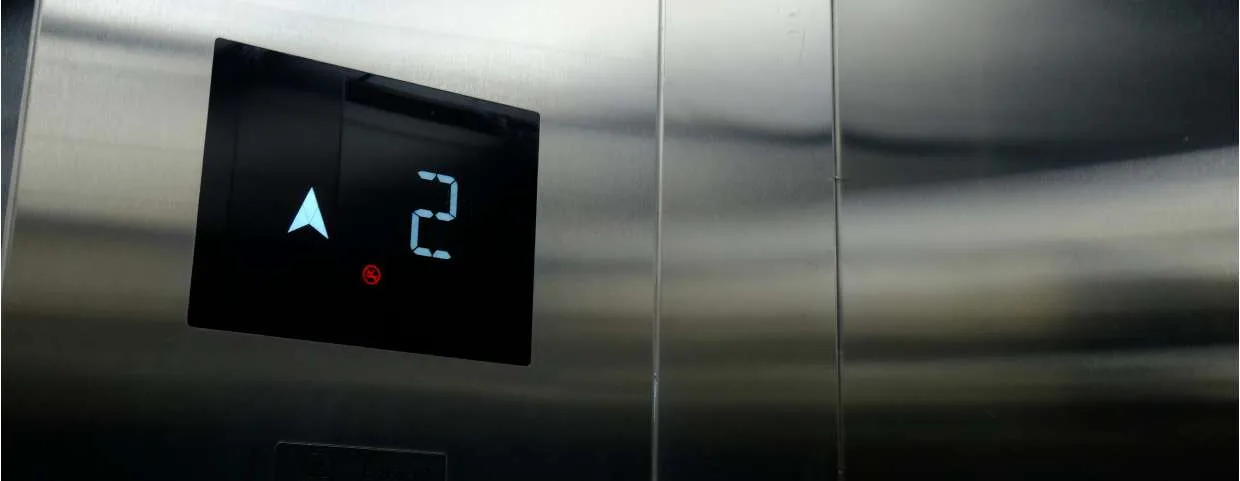 Featured
Passenger (MRL) lift rated 1000KG at 1.6 m/s across 11 stops, matched to the building on performance and serviceability.
Read case study →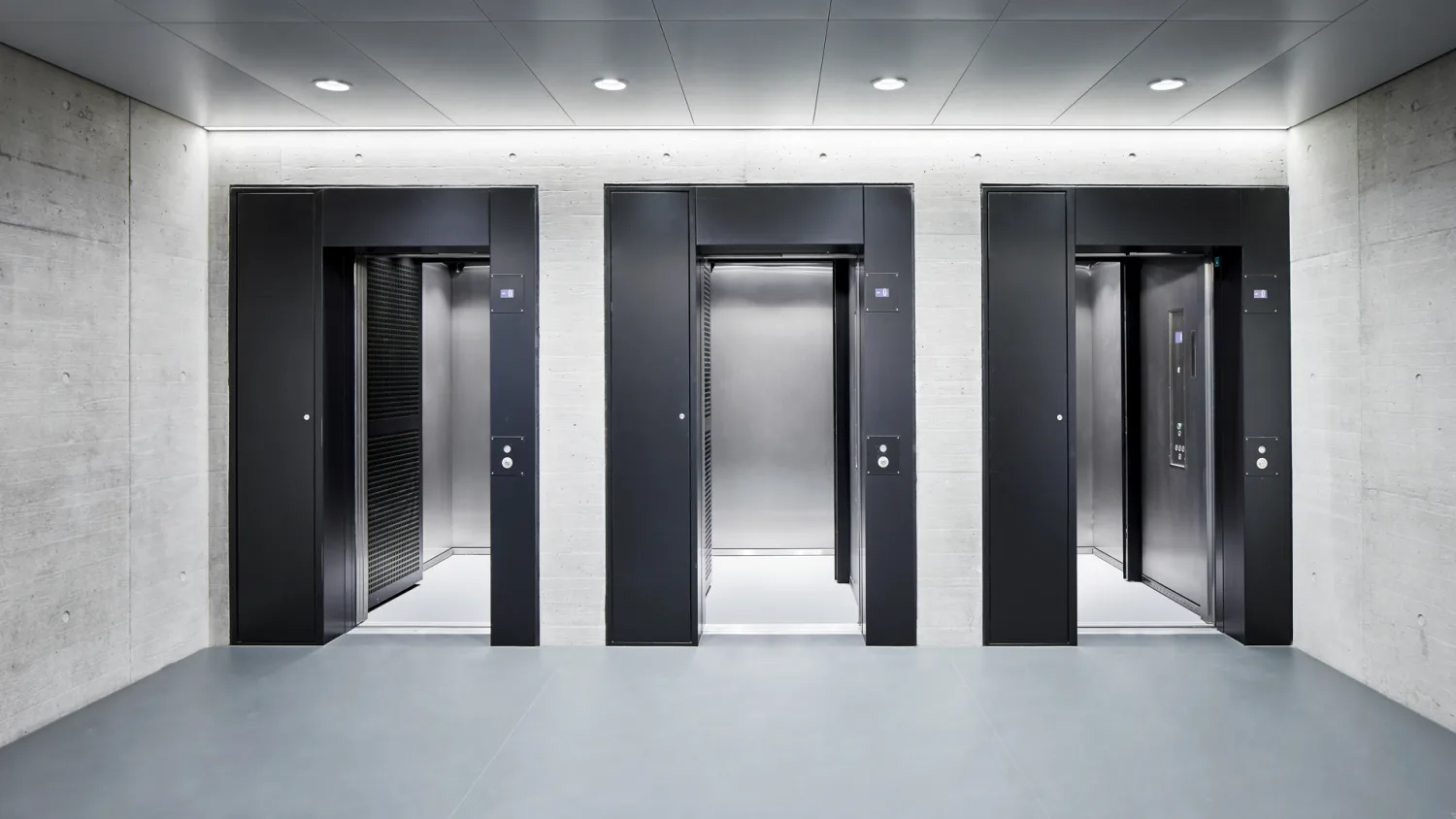 Featured
Three passenger (MR) lifts at 1000KG, 1.6 m/s serving 7–8 stops, sized for peak residential loading.
Read case study →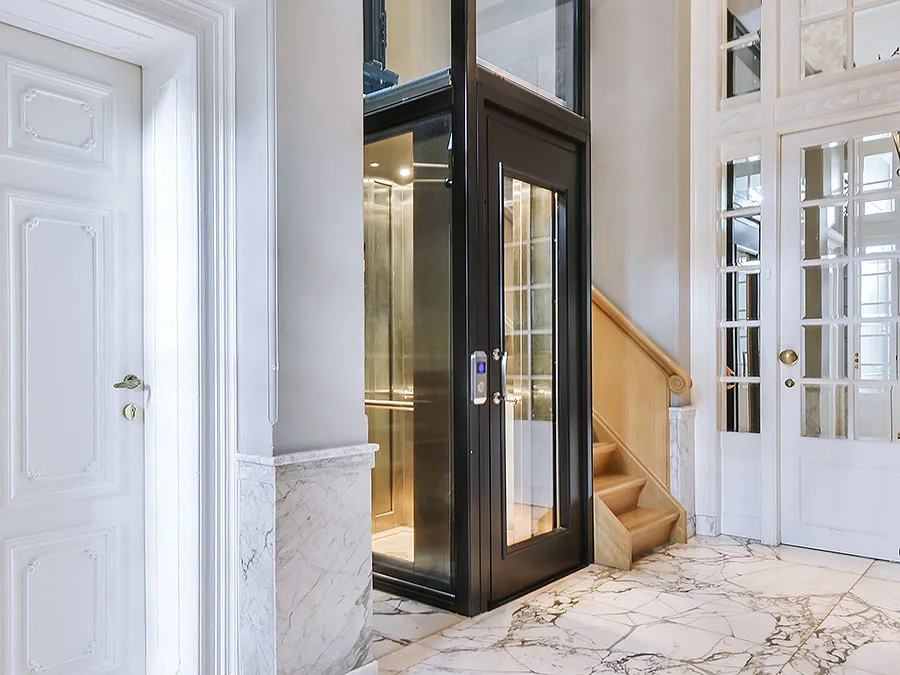 Featured
A compact home lift (MRL) running at 0.4 m/s across 2 stops — a discreet, elegant residential installation for a private villa in Muthaiga.
Read case study →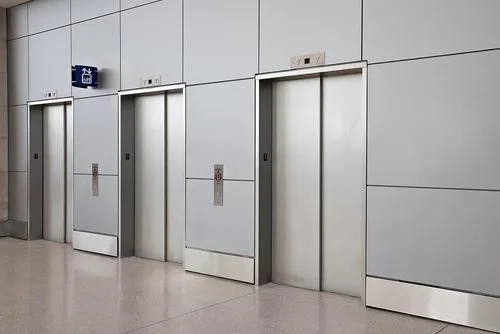
Three passenger (MR) lifts at 1000KG, 1.6 m/s across 6–10 stops, coordinated across multiple cores.
Read case study →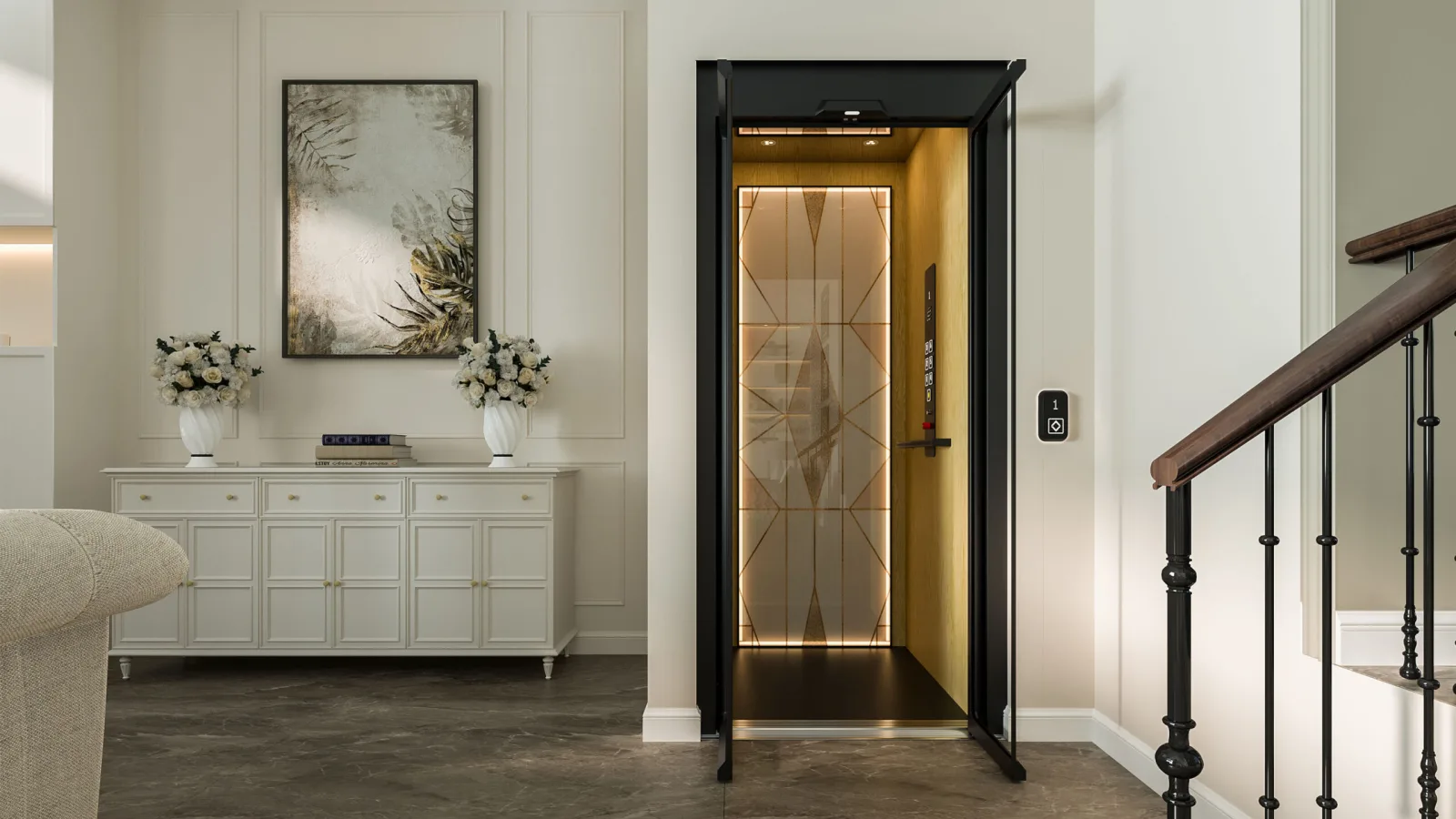
Passenger (MR) lift rated 800KG at 1.6 m/s over 11 stops, delivered for a Nakuru residential block.
Read case study →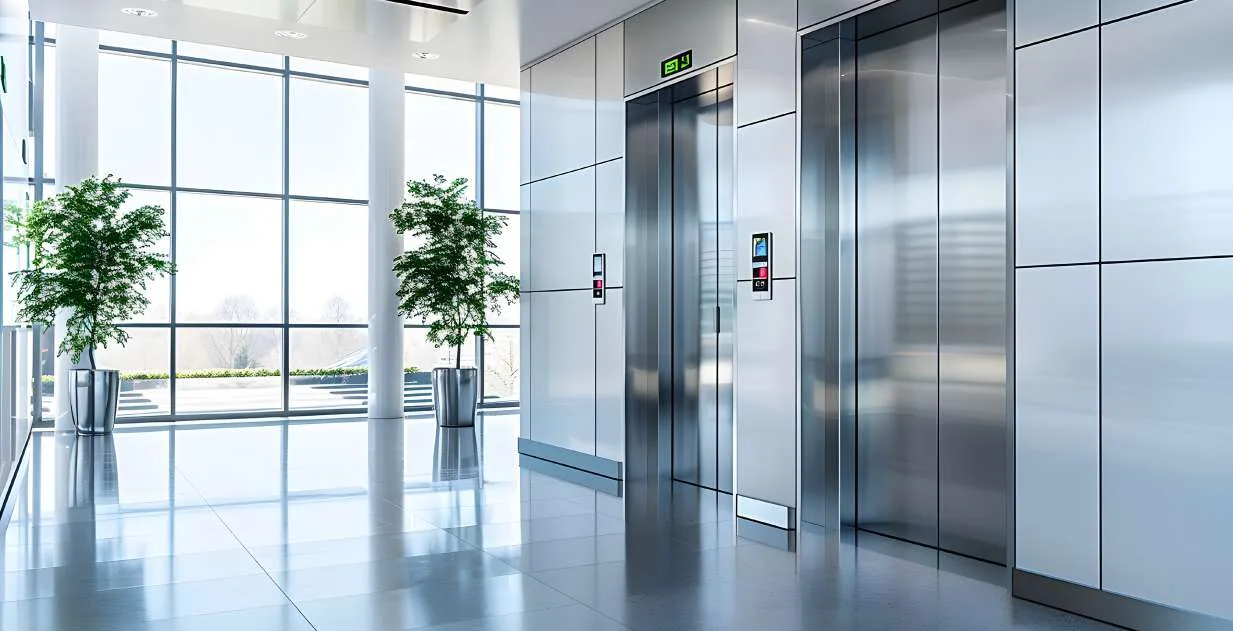
Smart sourcing.
Human understanding.
We take time to understand. So we can build what's right — not just what works.
Simple. But not easy.
Practical guidance on specifying, sourcing and maintaining elevator systems built for Africa.
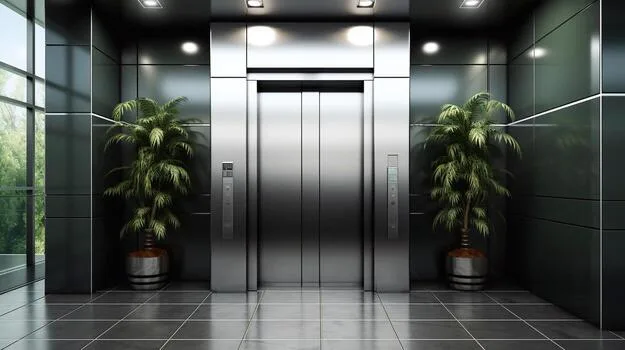
Machine-room and machine-room-less lifts each earn their place. Here is how the choice shapes your shaft, your budget and your building for decades.
Read more →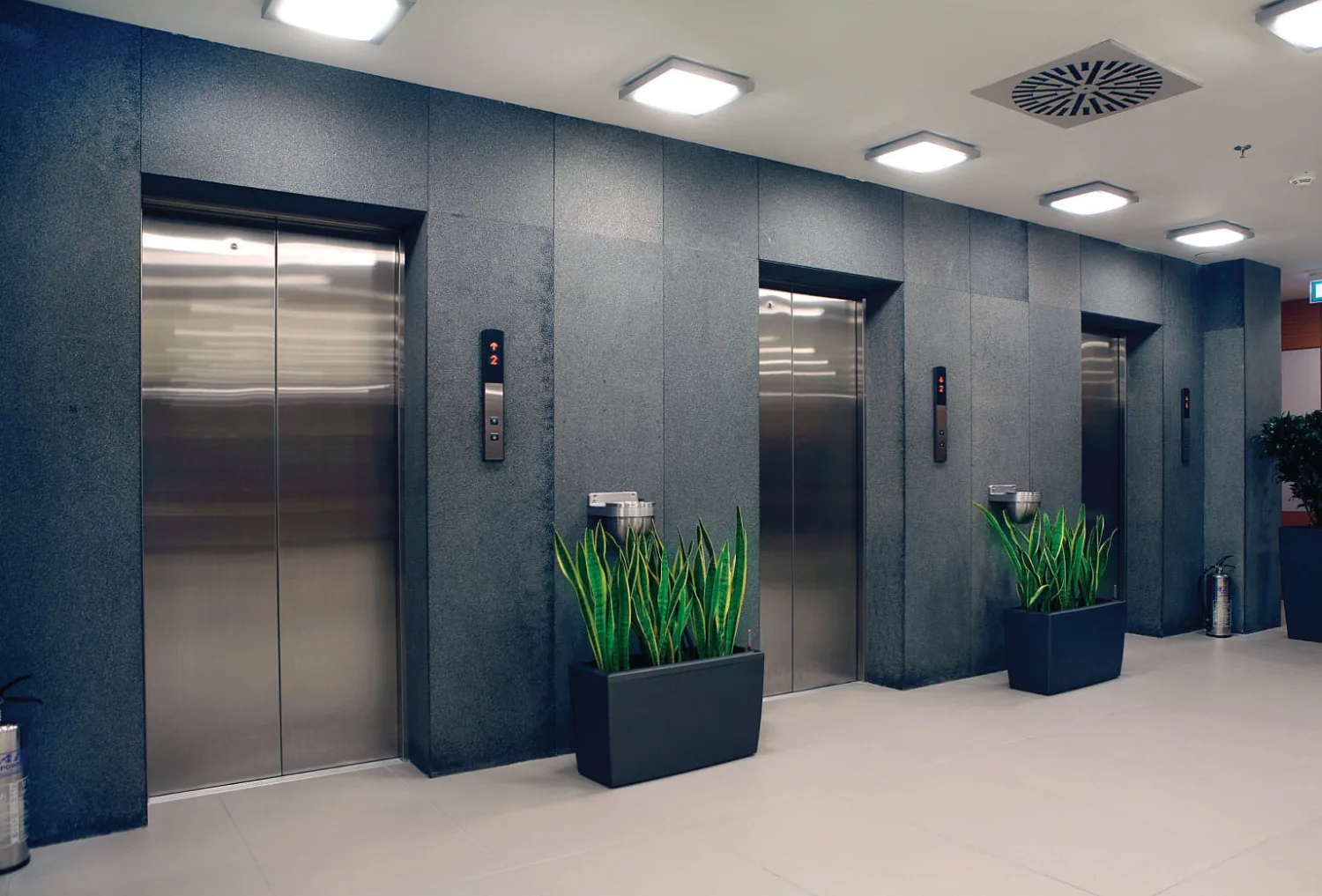
Over-specifying capacity wastes budget; under-specifying frustrates tenants. A short guide to getting traffic analysis right.
Read more →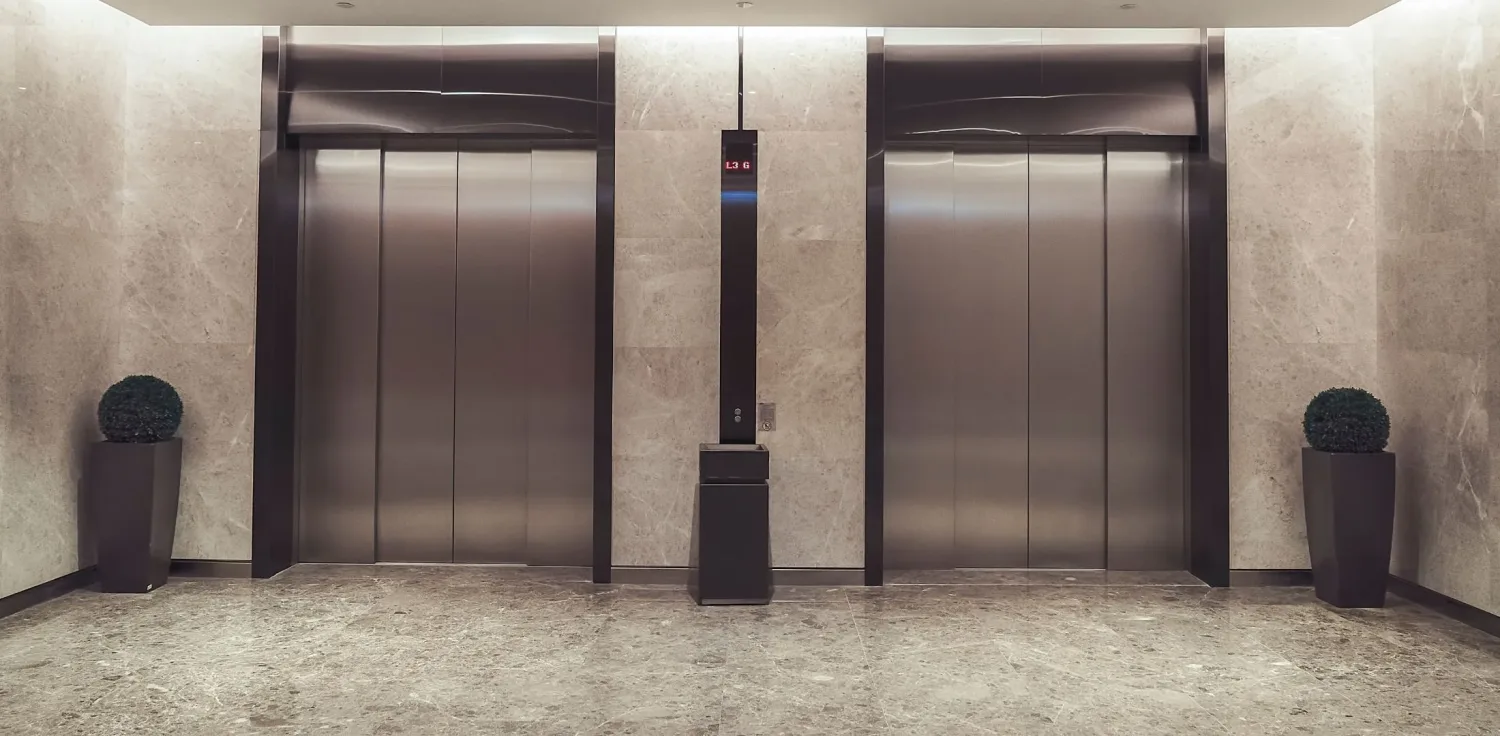
The cheapest lift on day one is often the most expensive over fifteen years. Here is how lock-in quietly inflates lifecycle cost — and how to avoid it.
Read more →It means the elevator's controller and key components are not locked to a single brand's service network. Any qualified technician can maintain the system, which protects you from inflated long-term service costs and forced upgrades.
As early as the design stage. Decisions about shaft size, capacity and traffic flow are far cheaper to get right on paper than to fix after construction has started.
Yes. We routinely identify cost-performance trade-offs that reduce procurement spend — often by up to 30% — without compromising reliability or serviceability.
We coordinate installation and commissioning with vetted contractors and provide technical oversight throughout, so the system performs as specified on handover.
Common configurations are 630KG (≈8 persons), 800KG (≈11 persons) and 1000KG (≈13 persons), plus freight and custom capacities for specialised buildings.